Mandan High School
Mandan, North Dakota
Category: 2026 Education
Architect: ICON
Starnet Member:
House of Color, Inc.
Starnet Preferred Vendors:
Bostik, Henry Adhesives, NeverStrip Floor Coatings, TEC Specialty Products (formerly Chapco/TEC), Uzin Utz North America, Taylor Adhesives, XL Brands, XL North, Daltile, J+J Flooring, Mohawk Group, Tarkett, Johnsonite By Tarkett, RFMS, RFMS, a Cyncly Company, Wagner Meters
Project Strategy
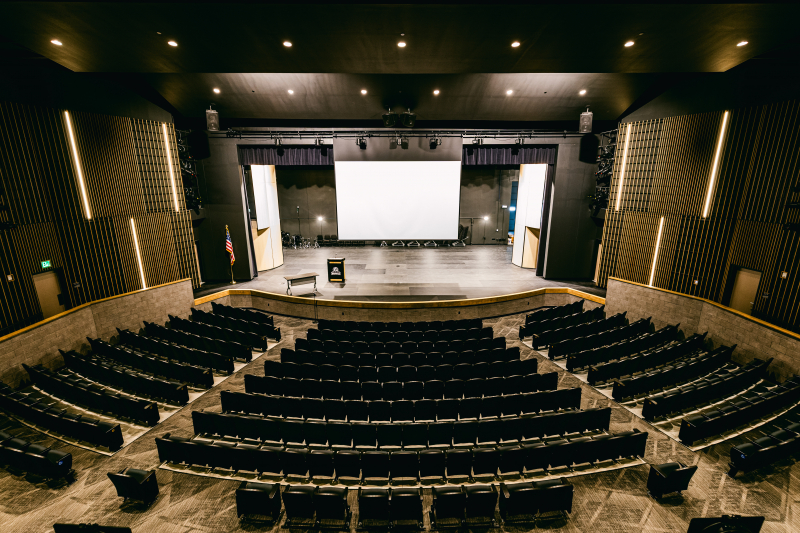
Our flooring business operates at the intersection of interior design and commercial construction, where material selection plays a critical role in shaping both the visual identity and functionality of interior spaces. From an interior design perspective, flooring serves as the foundation of the built environment, influencing circulation, acoustics, safety, and the overall user experience. This project involved applying interior design principles to a high school setting, where design decisions needed to support learning, durability, and long-term maintenance.
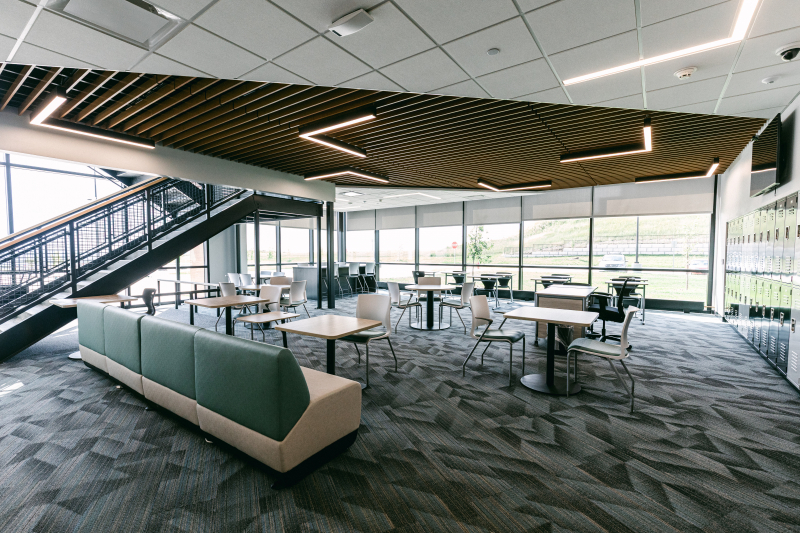
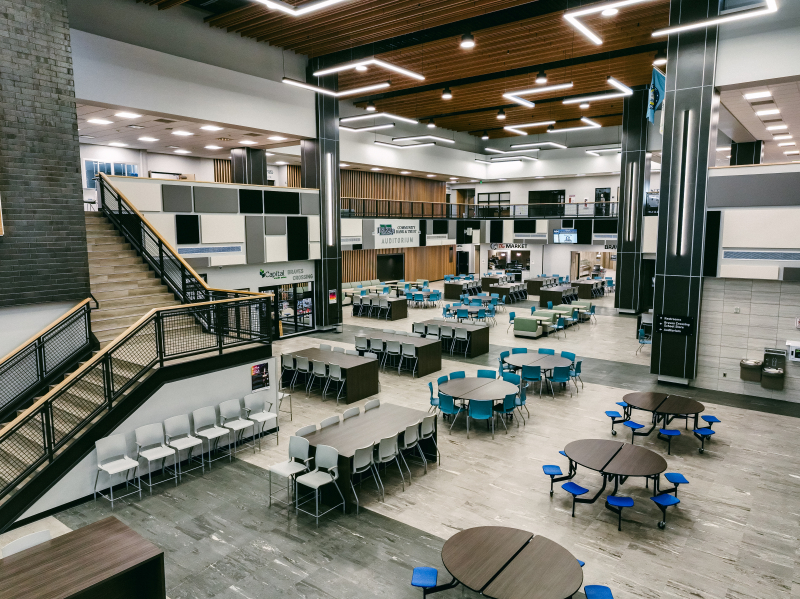
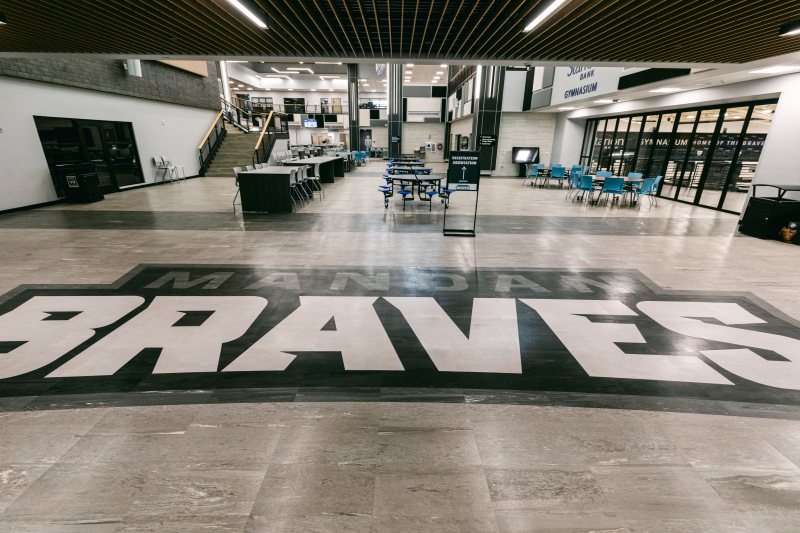
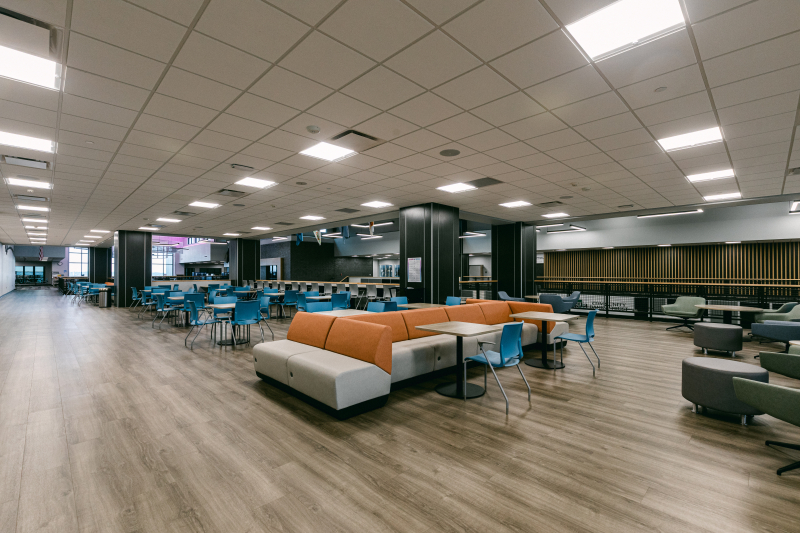
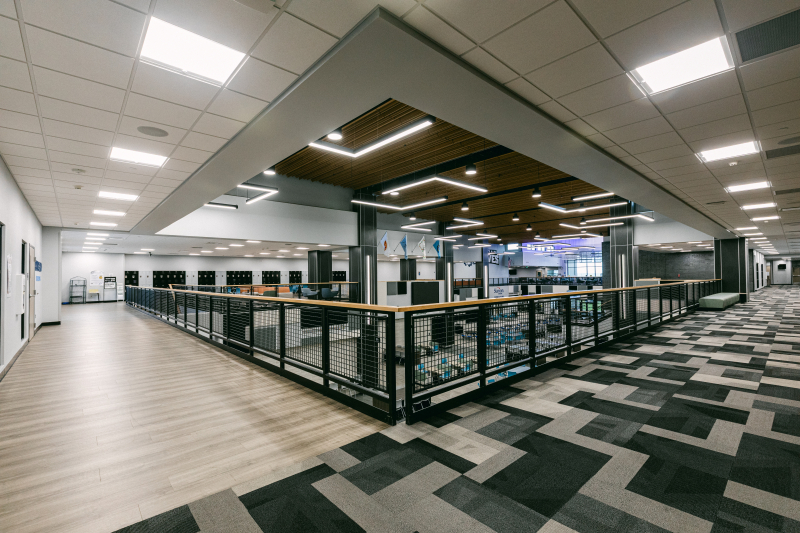
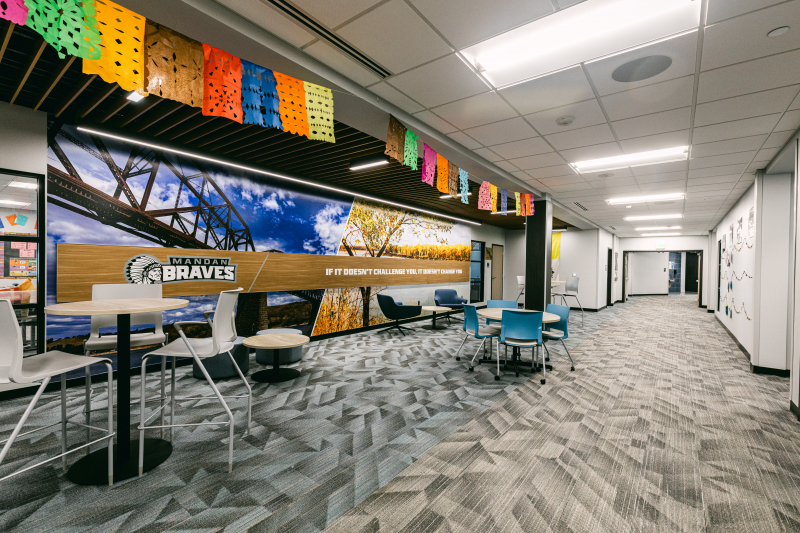
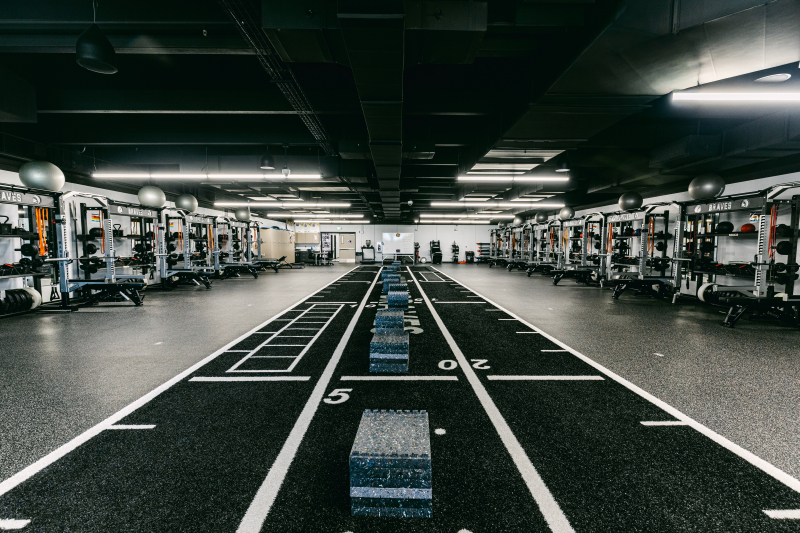
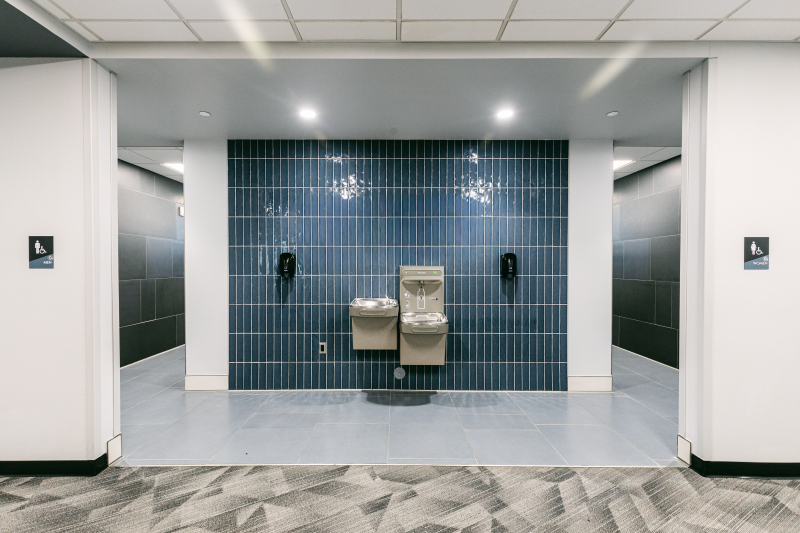
The primary design challenge of this project was creating a cohesive flooring strategy that supported a variety of interior spaces while maintaining a unified design language throughout the school. High schools consist of diverse environments—classrooms, corridors, administrative offices, common areas, and specialty rooms—each with distinct functional and aesthetic needs. From an interior design standpoint, the flooring needed to contribute to wayfinding, define zones, and enhance spatial clarity without overwhelming the visual environment.
Material selection was guided by interior design principles such as balance, rhythm, and harmony, while also addressing the practical constraints of a high-traffic educational facility. Neutral color palettes and subtle patterns were chosen to complement existing architectural elements and furnishings, allowing the flooring to support the interior design rather than dominate it. In circulation areas, flooring was selected to visually guide movement and withstand heavy daily use, while classroom flooring prioritized comfort, acoustic absorption, and a calm atmosphere conducive to concentration.
Budget constraints significantly influenced the design strategy, requiring thoughtful material choices that balanced aesthetic value with performance and lifecycle cost. As interior designers, we evaluated materials not only for their initial appearance but also for their long-term durability, maintenance requirements, and ability to retain visual appeal over time. This approach ensured that the design intent would remain intact despite years of use by students and staff.
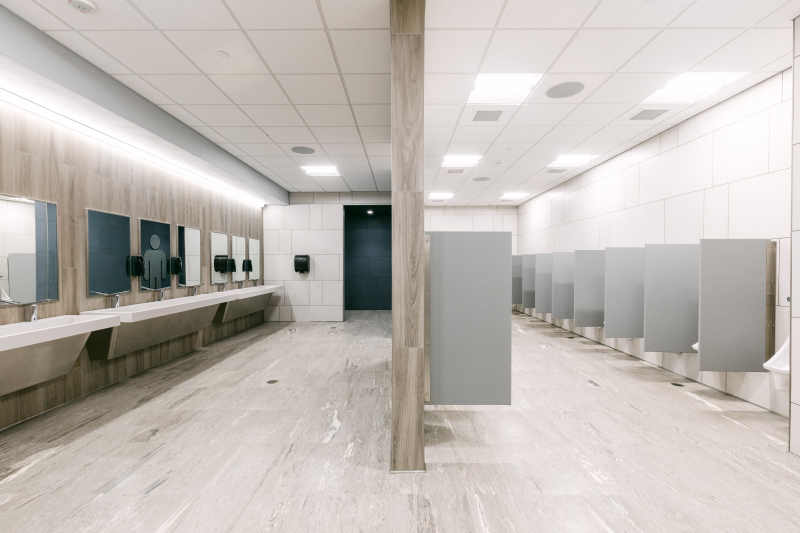
Flooring materials were selected to meet slip-resistance standards, ADA accessibility requirements, and indoor air quality guidelines. Low-VOC products were prioritized to support a healthy interior environment, reinforcing the role of interior design in promoting occupant well-being.
In conclusion, this high school flooring project demonstrates how interior design strategy extends beyond aesthetics to address functionality, safety, and long-term use. By integrating interior design principles with the practical constraints of a commercial flooring project, we created a flooring solution that supports the educational mission of the school while maintaining visual cohesion and durability. The project highlights the importance of thoughtful design planning, material selection, and adaptability when working in complex educational interiors.