Cincinnati Public Radio Headquarters
Cincinnati, Oh
Category: 2026 Corporate, Unique Installation Challenge
Architect: Emersion Design LLC
Starnet Member:
Axis Interior Systems, Inc.
Starnet Preferred Vendors:
Mapei, Schönox, Milliken Commercial, Mohawk Group, Roppe, Spec-ID
Project Strategy
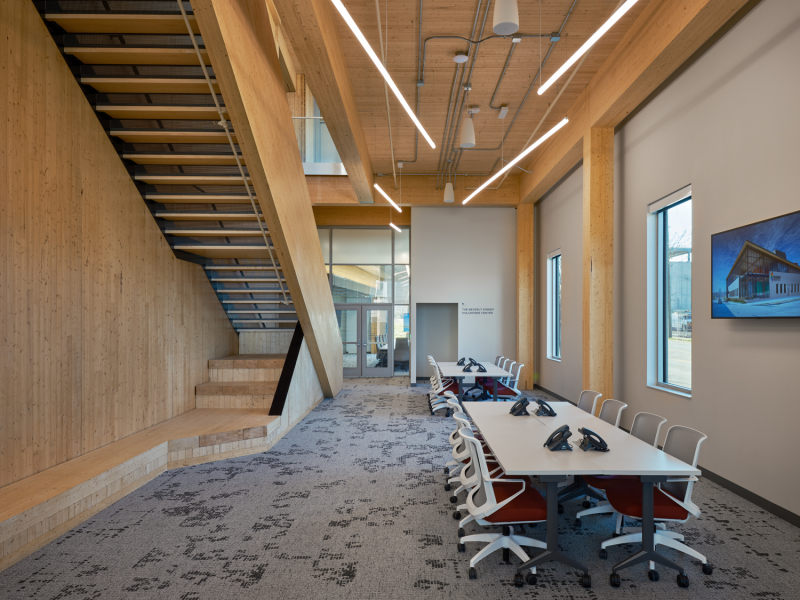
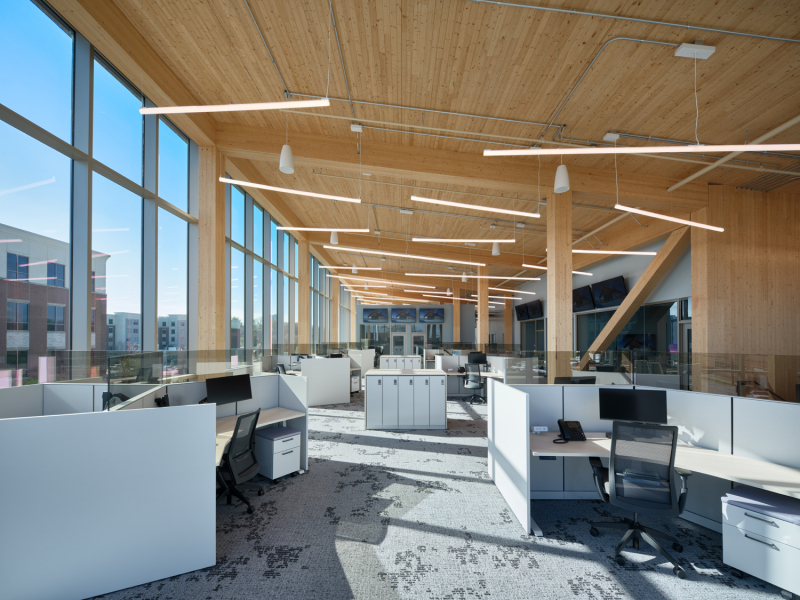
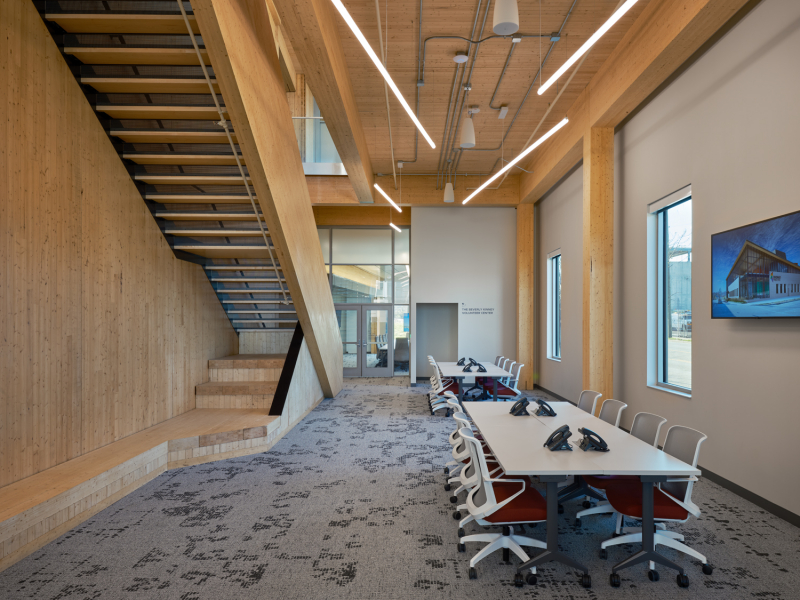
Cincinnati Public Radio’s (CPR) new headquarters is the first mass timber broadcast building in the U.S. and the first of its kind in the city. This innovative project seamlessly blends cutting-edge technology with sustainability, and its interior spaces reflect the same principles. The design of the facility celebrates the use of Cross Laminated Timber (CLT) and Glulam throughout, highlighting the biophilic approach at the core of the design. As such, the flooring selection plays a key role in enhancing the building’s eco-friendly, nature-inspired atmosphere.
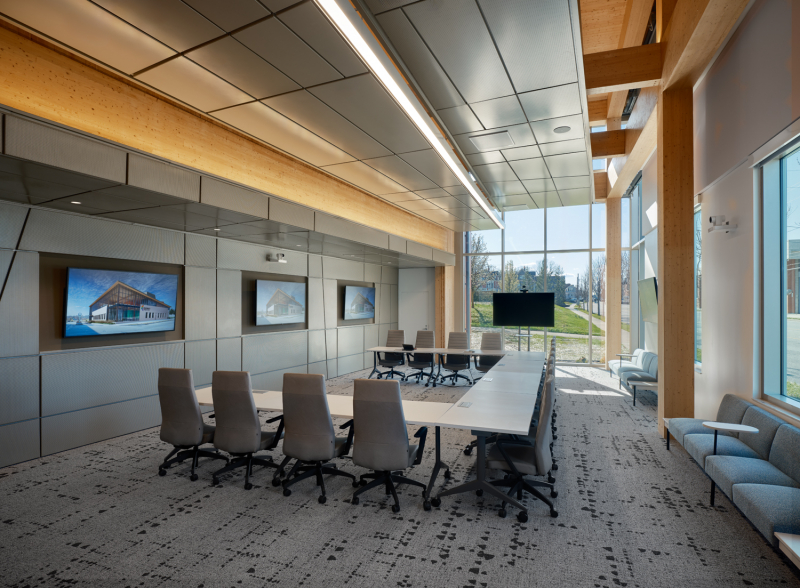
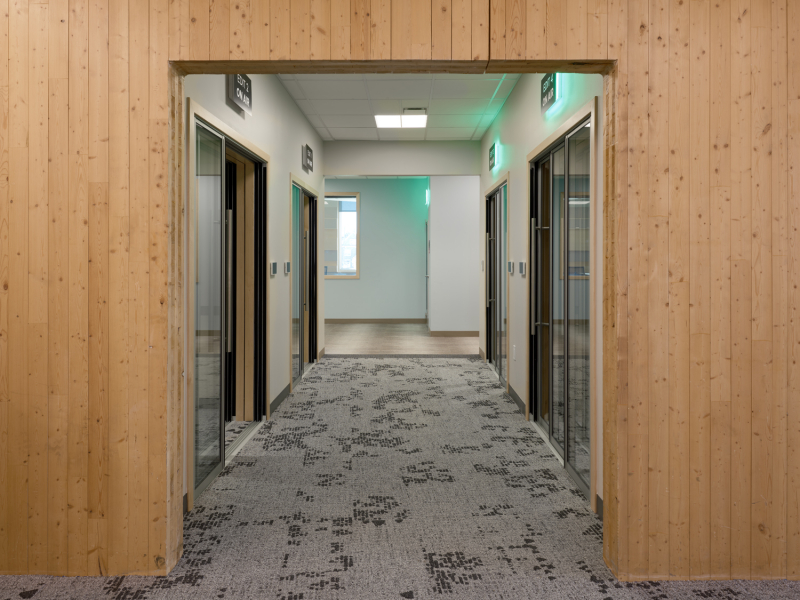
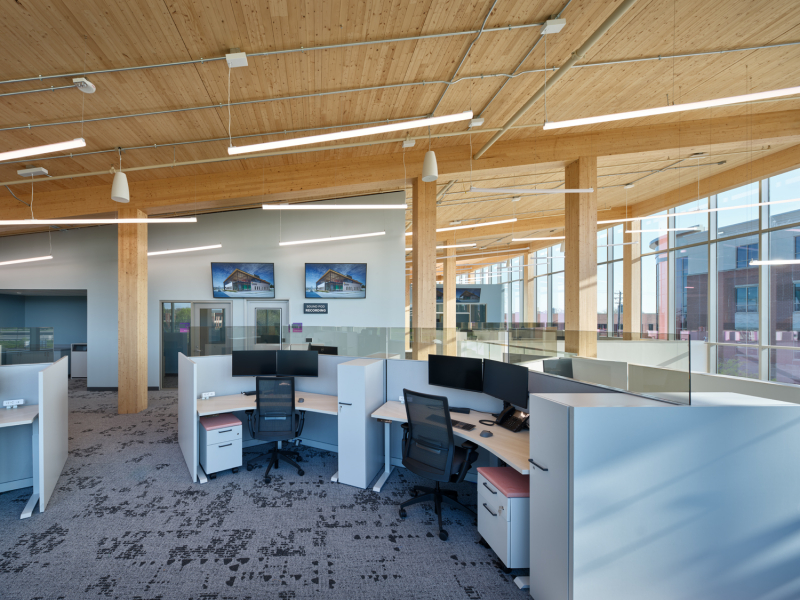
The flooring chosen for CPR’s headquarters is Living Product Certified, ensuring that it meets the highest standards for environmental impact, health, and sustainability. This certification aligns perfectly with the facility’s commitment to reducing its carbon footprint and promoting wellness within the workplace. The carpet, in particular, was selected for its fractal design, a biophilic pattern that mimics the natural forms and patterns found in the environment. This design not only reinforces the building’s connection to nature but also brings a sense of calm and harmony to the space.
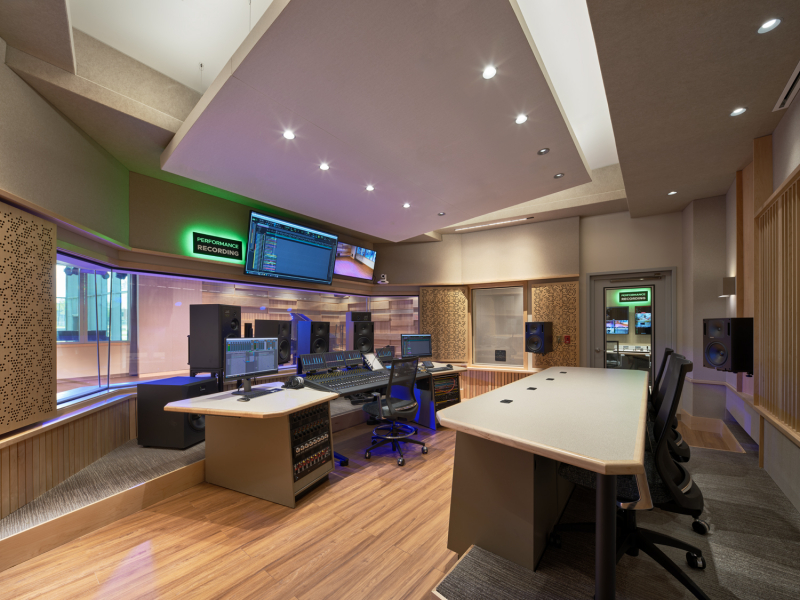
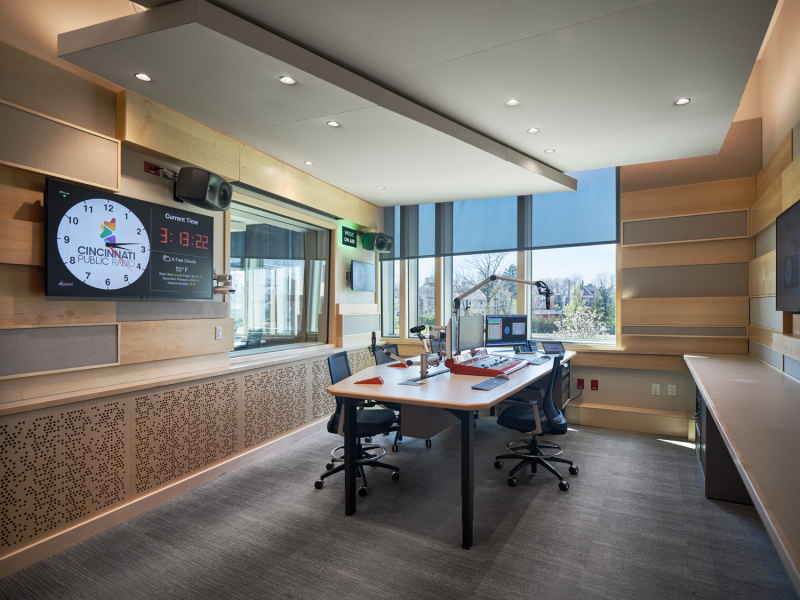
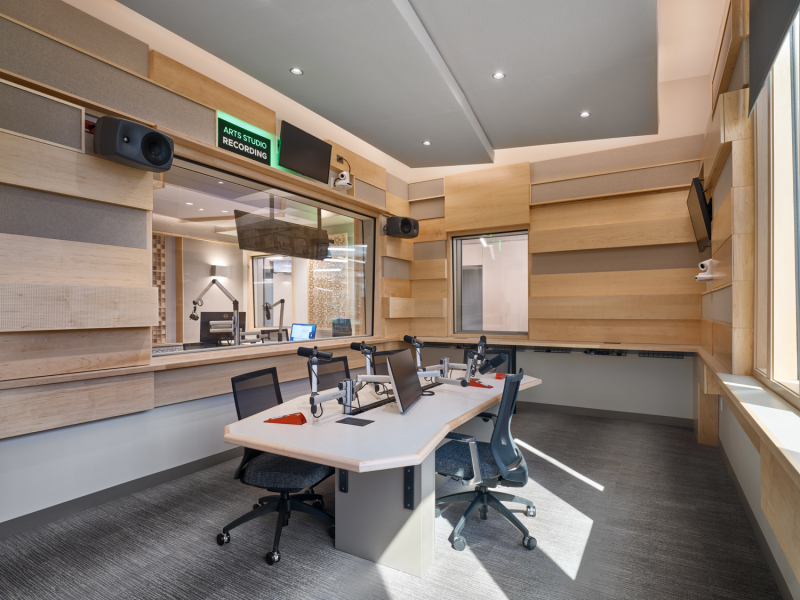
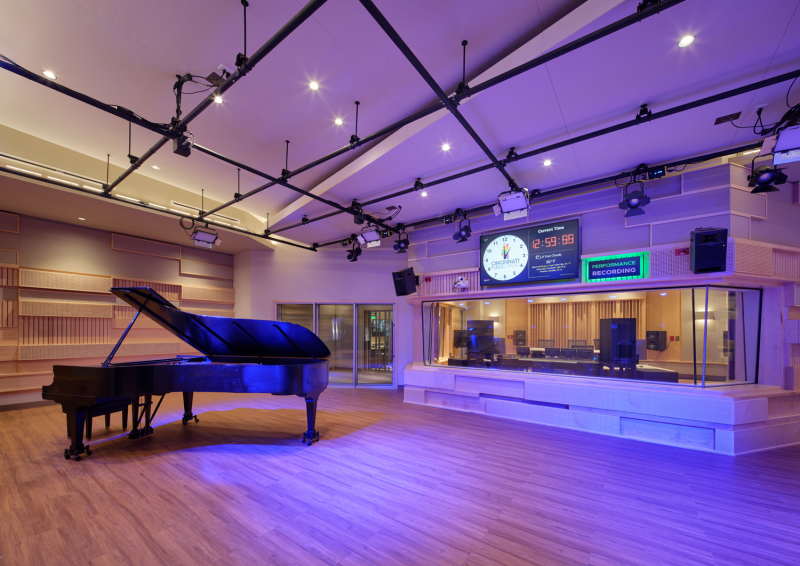
Throughout the building, the flooring layout is carefully designed to subtly echo the rhythmic and dynamic nature of radio waves. The undulating patterns and flowing lines in the floor provide a visual metaphor for sound waves, creating a sense of movement and energy that enhances the functional spaces like the performance studio, control rooms, and open office areas. This thoughtful integration of design and technology reflects CPR’s mission to innovate while staying deeply connected to the natural world, making the flooring a standout feature of this pioneering facility.
Unique Installation Challenge Strategy
What made this project truly unique was the level of precision needed to install the flooring without compromising the architecture. The exposed timber walls and structural posts were designed with no base. Leaving no room for error and no opportunity to hide imperfections. Every cut had to be exact. Our superintendent, project manager, and operations manager were on-site closely monitoring layout and installation. This was craftsmanship at its highest level, demanding patience, planning, and hands on leadership.